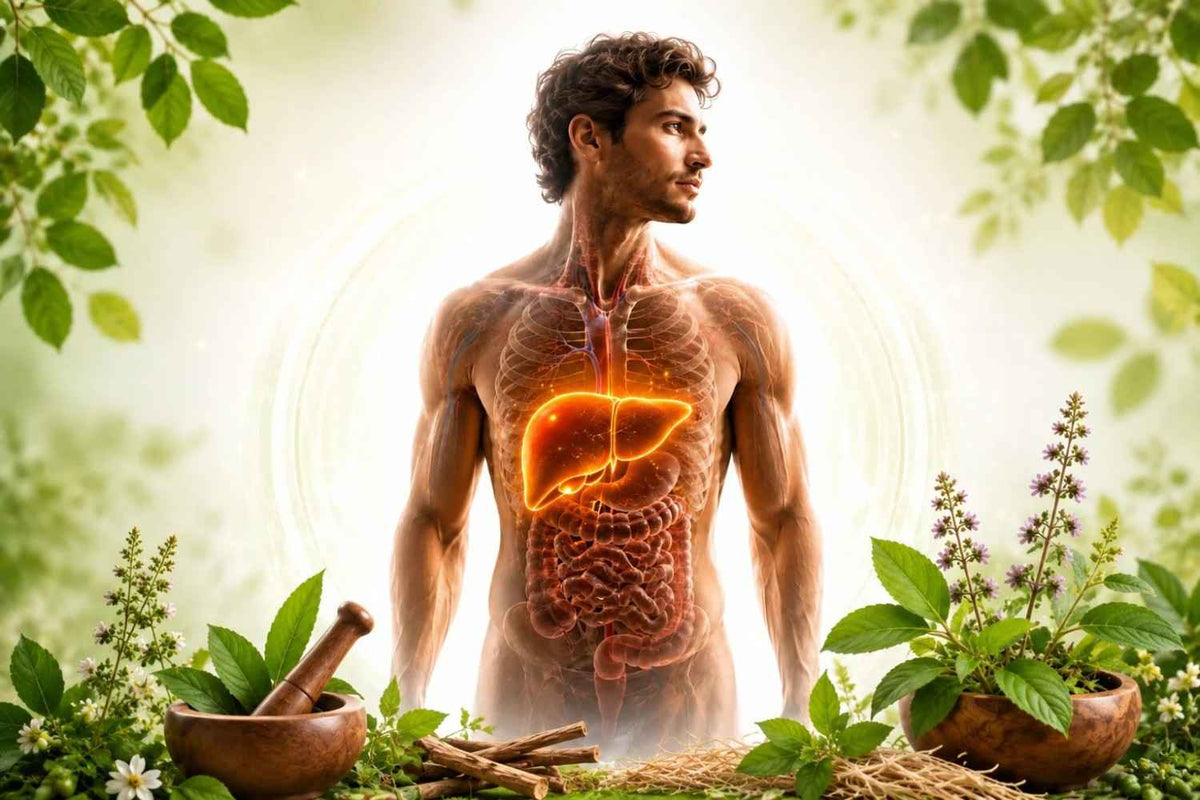
The liver is often described as the body’s silent powerhouse, performing hundreds of vital functions every single day. From filtering dangerous toxins and processing nutrients to producing proteins that allow your blood to clot, this organ is essential for survival. However, because the liver is remarkably resilient and lacks pain receptors in its internal tissue, damage often progresses quietly. Understanding the early signs of liver disease is the first step in taking proactive control of your long-term wellness.
Why Liver Health Often Goes Unnoticed
Most people assume that liver damage only occurs in the presence of severe pain or obvious illness. In reality, the liver can sustain significant injury before it sends out a clear distress signal. Early warning signs are frequently subtle and vague, often resembling common issues like stress, minor infections, or simple indigestion. By the time more dramatic symptoms appear, the condition may have already progressed from simple inflammation to more advanced stages.
10 Early Signs of Liver Disease You Should Never Ignore
Recognizing these symptoms early can be the difference between successful reversal and permanent damage.
1. Persistent Fatigue and Weakness
Chronic exhaustion that doesn't improve with rest is one of the most frequent indicators of liver stress. When the liver struggles to filter toxins, these substances can accumulate in the bloodstream, leading to physical lethargy and mental sluggishness.
2. Digestive Distress and Nausea
The liver plays a key role in digestion, particularly in processing fats. If you experience frequent nausea, a sudden intolerance to fatty foods, or persistent bloating, your liver may be struggling to produce enough bile or process nutrients effectively.
3. Discomfort in the Upper Right Abdomen
While the liver itself doesn't feel pain, inflammation can cause the capsule surrounding it to stretch. This often manifests as a dull ache, heaviness, or pressure just below the ribs on the right side of the belly.
4. Yellowing of the Eyes and Skin (Jaundice)
Jaundice is perhaps the most recognizable sign of liver dysfunction. It occurs when the liver fails to process bilirubin-a yellow pigment from broken-down red blood cells-causing it to build up in the body’s tissues.
5. Persistent Skin Itching
Unexplained, intense itching that is often worse at night may be linked to the buildup of bile salts under the skin. Unlike a typical rash, this itch is internal and often doesn't respond to standard topical allergy treatments.
6. Fluid Retention and Swelling
A decline in liver function can lead to reduced production of albumin, a protein that helps keep fluid inside your blood vessels. This often results in swelling in the legs, ankles, or feet (edema), and in more advanced cases, fluid accumulation in the abdomen (ascites).
7. Easy Bruising and Bleeding
The liver is responsible for creating the proteins necessary for blood clotting. If you notice that you bruise easily from minor bumps or experience frequent nosebleeds or bleeding gums, it could indicate that your liver’s protein production is compromised.
8. Mental Fog and Poor Concentration
When the liver cannot properly detoxify the blood, toxins like ammonia can reach the brain. This may cause "brain fog," mild confusion, irritability, or difficulty concentrating on routine tasks.
9. Changes in Urine and Stool Color
Pay attention to the color of your waste. Dark, tea-colored urine or stools that appear pale, gray, or clay-colored are significant red flags that bile production or flow is impaired.
10. Unexplained Weight Changes
Both sudden, unintentional weight loss and unexplained weight gain-particularly around the midsection-can be linked to metabolic imbalances caused by a struggling liver.

Understanding the Progression of Liver Damage
Liver disease typically develops through several stages. Catching the early signs of liver disease during the first two stages offers the best chance for complete recovery.
| Stage | Condition | Description | Reversibility |
| Stage 1 | Inflammation | Fat buildup or infection causes the liver to swell. | Highly Reversible |
| Stage 2 | Fibrosis | Continued inflammation leads to the formation of scar tissue. | Partially Reversible |
| Stage 3 | Cirrhosis | Extensive scarring replaces healthy tissue, affecting function. | Manageable but Permanent |
| Stage 4 | Liver Failure | The liver loses its ability to perform essential functions. | Life-Threatening; requires urgent care. |
Fatty Liver: The Modern Silent Epidemic
Fatty liver disease, now often referred to as metabolic dysfunction-associated steatotic liver disease (MASLD), is a leading cause of liver problems worldwide. Interestingly, you don't have to drink alcohol to develop this condition; it is increasingly linked to obesity, type 2 diabetes, high cholesterol, and sedentary lifestyles. Because it often presents with no symptoms at all, regular screening is essential for those with metabolic risk factors.
Practical Steps for Liver Protection
The good news is that the liver has an incredible capacity for regeneration if the cause of the damage is addressed early.
- Prioritize a Balanced Diet: Focus on whole foods, leafy greens, and lean proteins while significantly reducing your intake of added sugars and processed carbohydrates.
- Maintain an Active Lifestyle: Aim for consistent movement, such as walking 7,000 to 10,000 steps daily, which helps reduce the fat stored in liver cells.
- Limit Toxins and Alcohol: Reducing alcohol consumption and avoiding unnecessary medications (like excessive paracetamol) can give your liver the break it needs to heal.
- Manage Underlying Conditions: Keeping blood sugar, cholesterol, and blood pressure under control is vital for preventing further liver stress.

Key Takeaways
- Silence is not health: The liver often sustains damage without causing pain, making awareness of subtle symptoms crucial.
- Fatigue is a major red flag: Unexplained, persistent tiredness is one of the most common early indicators.
- Lifestyle is medicine: Many forms of early-stage liver disease, including fatty liver, are reversible through diet and exercise.
- Screening saves lives: If you have risk factors like diabetes or obesity, request a Liver Function Test (LFT) from your doctor.
Frequently Asked Questions
1. Can liver damage be reversed?
Ans. Yes, in many cases. Early-stage inflammation and fatty liver can often be completely reversed through significant lifestyle changes and medical guidance.
2. Is fatty liver only caused by alcohol?
Ans. No. Non-alcoholic fatty liver disease (NAFLD/MASLD) is actually a leading cause of liver issues and is primarily linked to diet, weight, and metabolic health.
3. Does liver disease always cause pain?
Ans. No. Most people in the early stages feel no pain at all. Some may feel a dull ache or fullness on the right side, but many remain symptom-free until damage is advanced.
4. What is a Liver Function Test (LFT)?
Ans. It is a blood test that measures specific enzymes and proteins in your blood. Elevated levels can indicate that your liver is currently inflamed or injured.
5. Why does liver disease cause itchy skin?
Ans. When the liver is unable to process bile properly, bile salts can accumulate in the bloodstream and deposit under the skin, triggering an internal itching sensation.
Your liver works tirelessly behind the scenes to keep your body clean and energized. Because it rarely "complains" until things are serious, staying vigilant about the early signs of liver disease is a vital part of proactive health management. By choosing a liver-friendly lifestyle and seeking professional medical advice when you notice subtle changes, you can ensure this essential organ continues to serve you well for years to come.